If your dog gets sick or hurt
- Stay calm and keep your dog still and warm.
- Call a vet before you drive. Describe what happened and ask where to go.
- In the daytime, call the nearest local clinic.
- Out of hours, call a 24-hour animal hospital or the clinic's on-call number.
- Bring the pet passport and any medication your dog takes.
112 is the Danish emergency number for people. It is not a vet line. We have not found a single official national emergency-vet number, so do not rely on one: save local numbers instead.
If you are unsure whether it is an emergency, call anyway. A vet can tell you on the phone whether to come in now, wait until morning or watch your dog at the cottage. Write down what your dog ate or did and when, so you can answer the vet's questions quickly.
How emergency vets work in Denmark
In larger cities there are 24-hour animal hospitals, run by chains such as AniCura and Evidensia. Outside the cities, local clinics share on-call rotas, so the vet on duty at night may be in the next town. Call first: the clinic's answering message or website usually gives the on-call number.
Out-of-hours visits cost more than a daytime appointment. Ask for the price on the phone, and ask whether the clinic takes card payment.
Adders
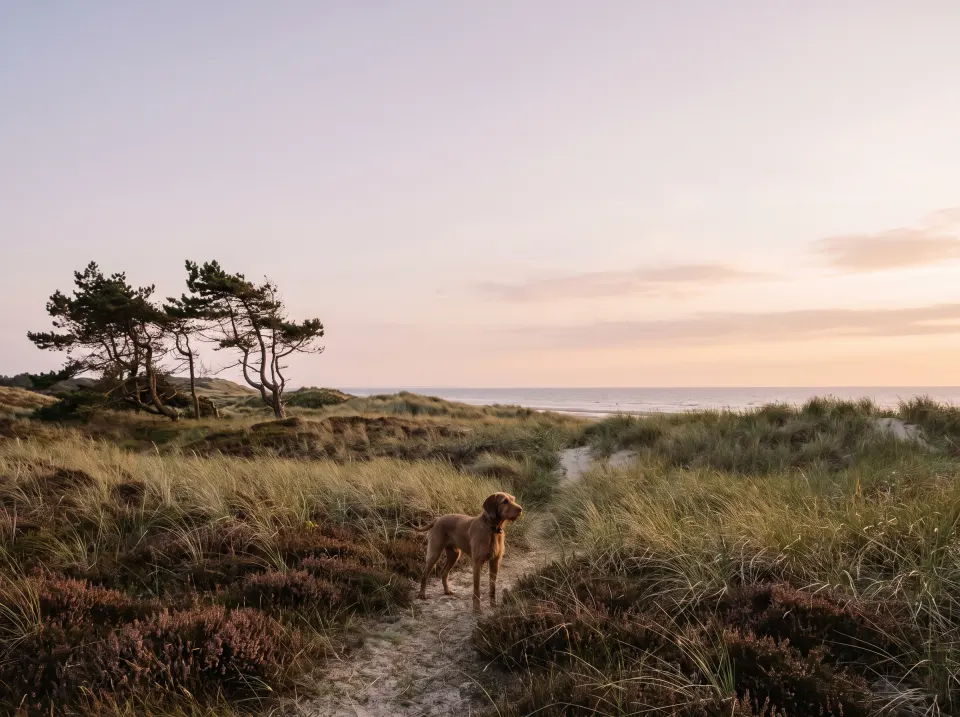
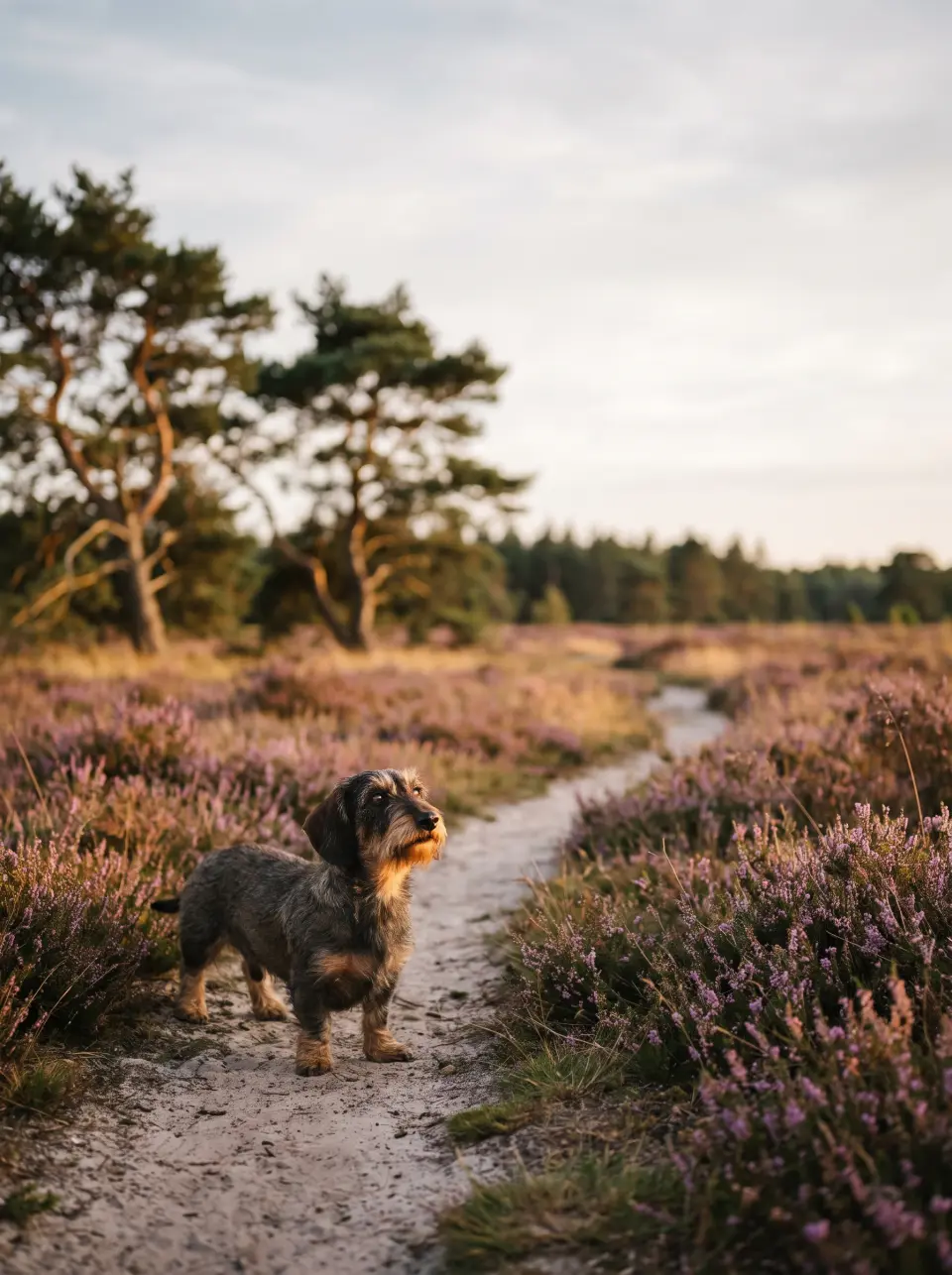
The adder (hugorm) is Denmark's only venomous snake. It is most active on warm, sunny days, often on heath, dunes and sunny forest edges. If your dog is bitten, keep it calm and get to a vet quickly. Carry a small dog rather than letting it walk.
To lower the risk, keep your dog on the leash on heath and dune paths in warm weather, and stay on the paths rather than in long grass and heather. If your dog yelps, limps or a swelling appears on the face or a leg, treat it as a bite until a vet says otherwise.
Ticks, heat and poisoning
- Ticks: active mainly from May to October. Lyme disease occurs all over Denmark, and TBE on Bornholm and in a defined area of North Zealand. Check your dog after each walk and remove ticks promptly.
- Heat: never leave your dog in a parked car on a warm day. Some sites, such as Fårup Sommerland, forbid it outright. Walk in the cool hours and carry water.
- Poisoning: the Danish poison line (Giftlinjen) does not advise on animals. If you think your dog has eaten something poisonous, call a vet straight away.
Not sure about a plant, a berry or something from the picnic? Look it up on can dogs eat it.
Costs and insurance
The European Health Insurance Card (EHIC) covers people, not animals. Vet bills abroad are covered only by your own pet insurance. Many policies cover temporary stays in other EU/EEA countries, but check your policy's terms before you go, especially for emergency treatment and out-of-hours fees. Keep receipts and the vet's notes for your claim.
Save before you go
When your dog is well again and needs a gentle stretch, a quiet dog forest nearby is a good place for it.
-
 Dog Parks Denmark
Every dog forest on a map, offline, with fencing, facilities and directions. For iPhone and Android.


Sources
- Giftlinjen (Danish poison line)
- Lex.dk: adder (hugorm)
- Statens Serum Institut: Lyme disease and ticks
- Novasol: holiday with a dog
Information checked: October 2026