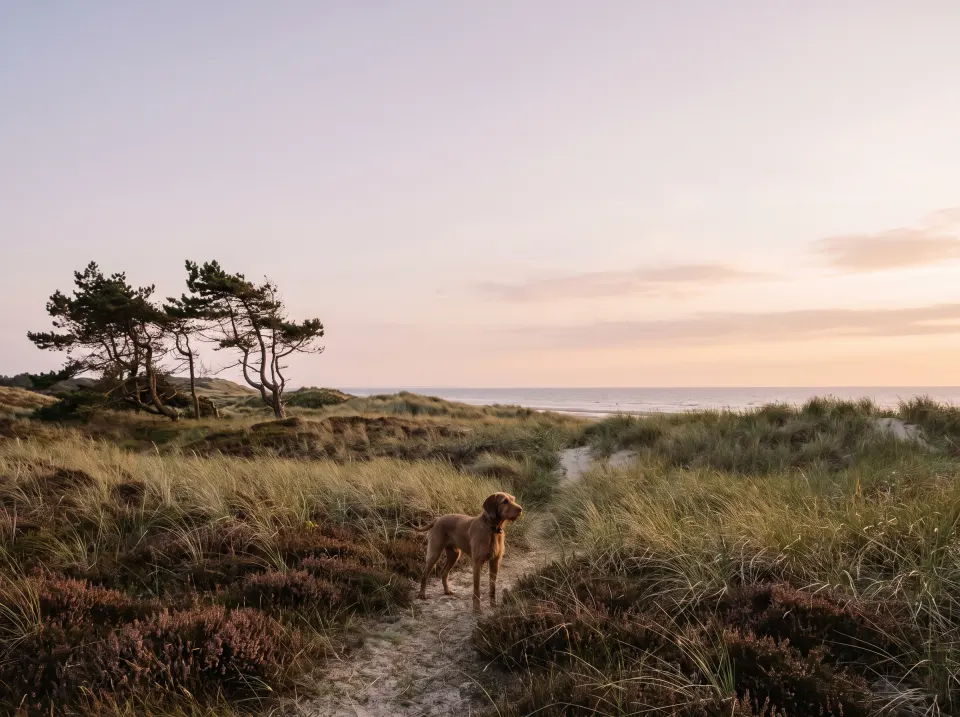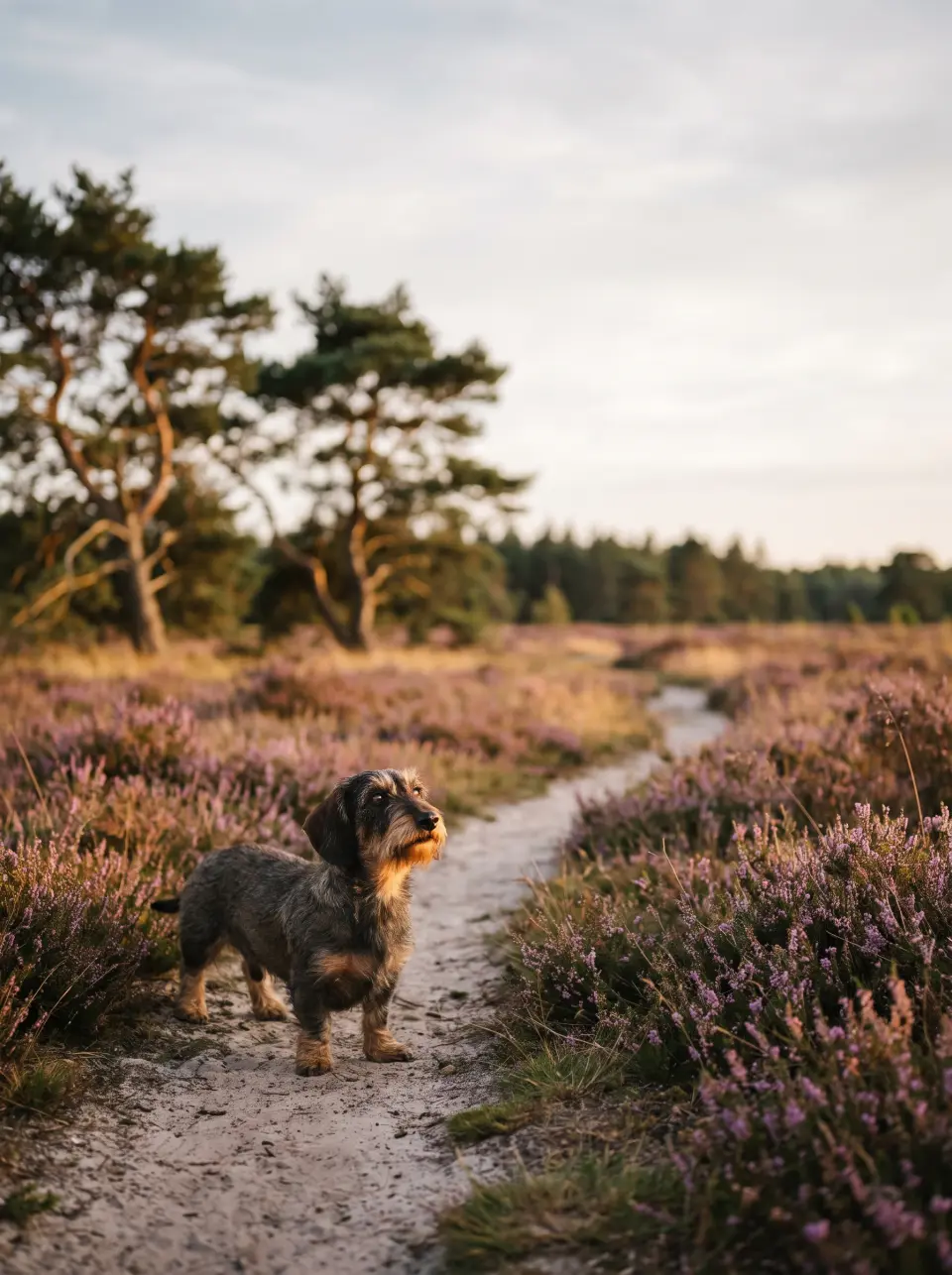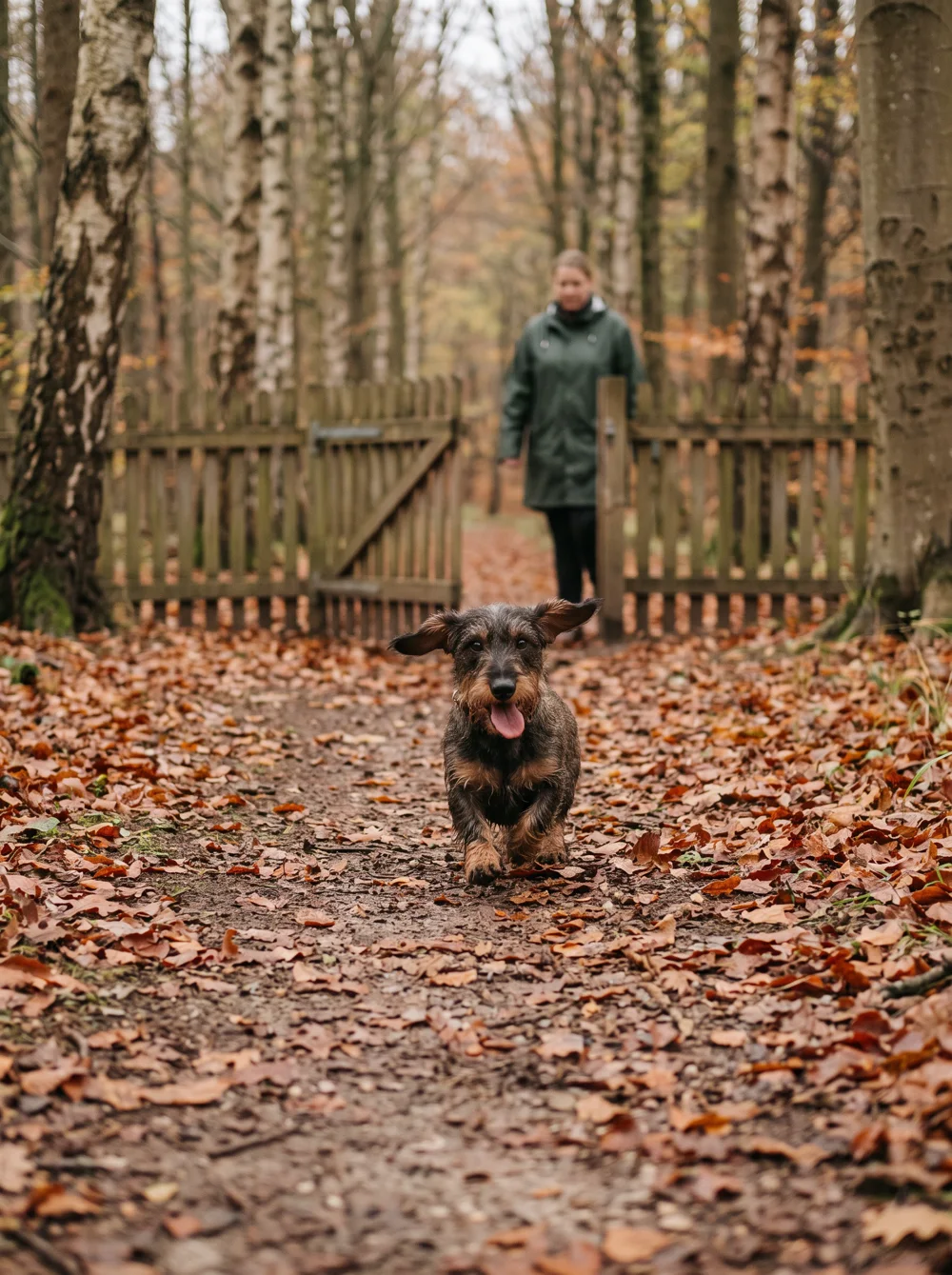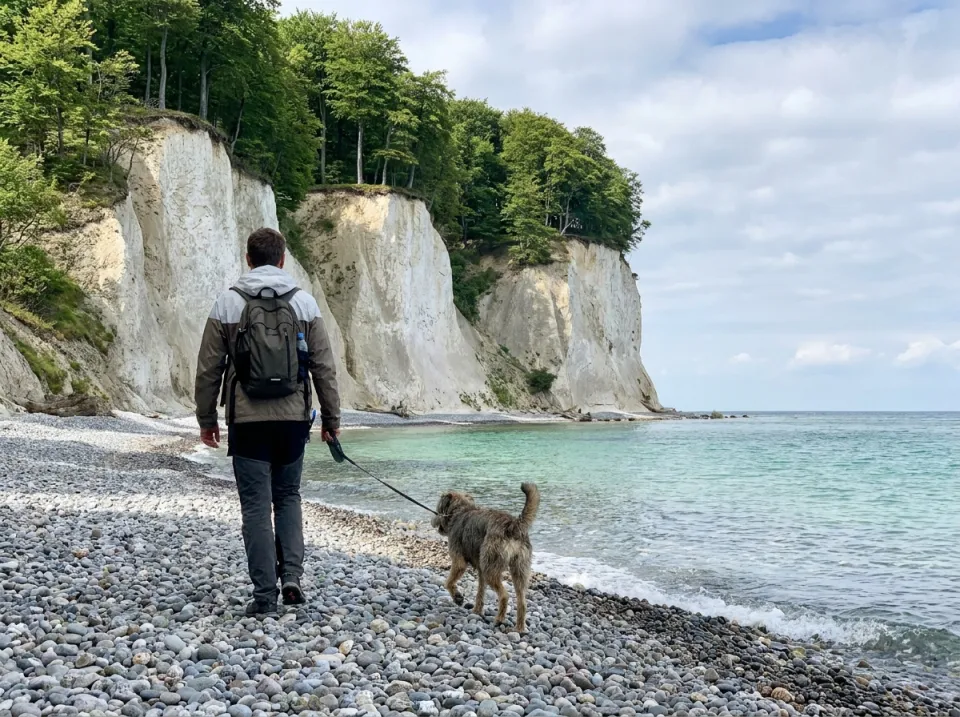
The year at a glance
- JanuaryColdest month, around 1.6 °C on average. Off-leash on many beaches (read the signs). Quiet coast.
- FebruaryDanish winter holiday in week 7 or 8, so some cottage areas fill up. Off-leash on many beaches.
- MarchLast month of the off-leash beach season, which ends on 31 March. Short days, few people.
- AprilFrom 1 April dogs must be on a leash on beaches. In Thy, the Hanstholm reserve is closed east of the coast road from 1 April.
- MayTicks become active. Long, light evenings and quiet beaches, but the leash rule applies.
- JuneDanish summer holidays start in late June (2026: 27 June). German holidays start at different times by state.
- JulyWarmest month with August, around 16.9 °C on average. Busy coast. Tick-borne TBE risk peaks July to September. Hanstholm reserve reopens after 15 July.
- AugustStill warm and busy until Danish schools return around 10 August. Lion's mane jellyfish are common from now.
- SeptemberLast month of the beach leash period. Quieter, often mild. Jellyfish and ticks are still around.
- OctoberFrom 1 October dogs may run off-leash on many beaches. Danish autumn holiday in week 42. Ticks still active.
- NovemberTick season is mostly over. Wind, rain and empty beaches for long off-leash walks.
- DecemberDark afternoons, quiet cottages, off-leash on many beaches. Bring a light and a dog coat.
Weather averages per month are on weather in Denmark. School holiday dates vary by municipality in Denmark and by state in Germany, so check the exact dates for your travel year.
Spring: light evenings, leash on the beach
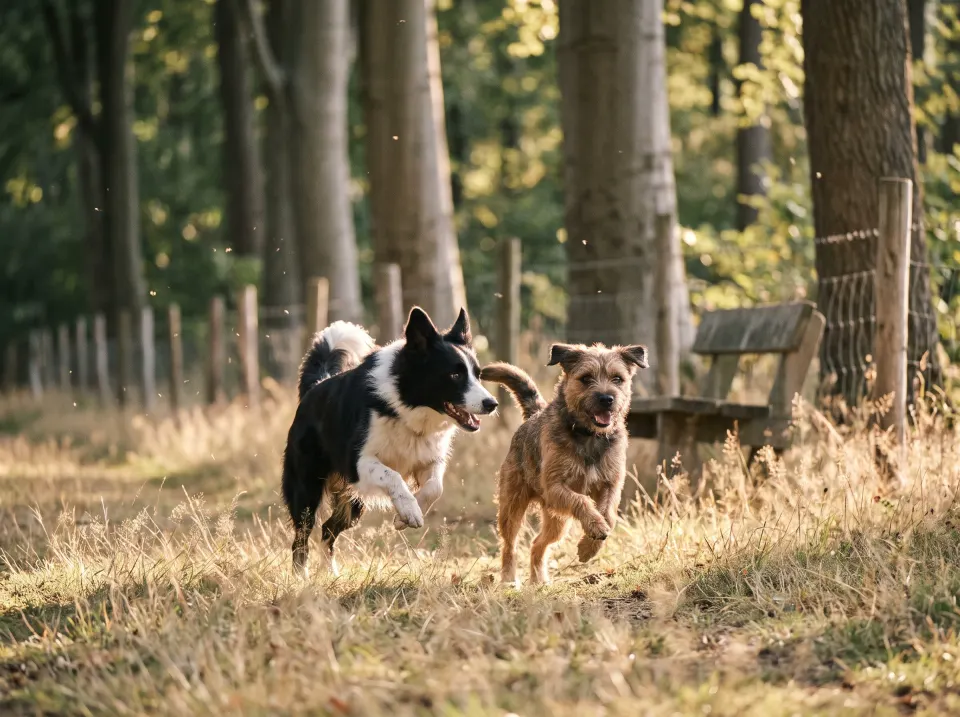
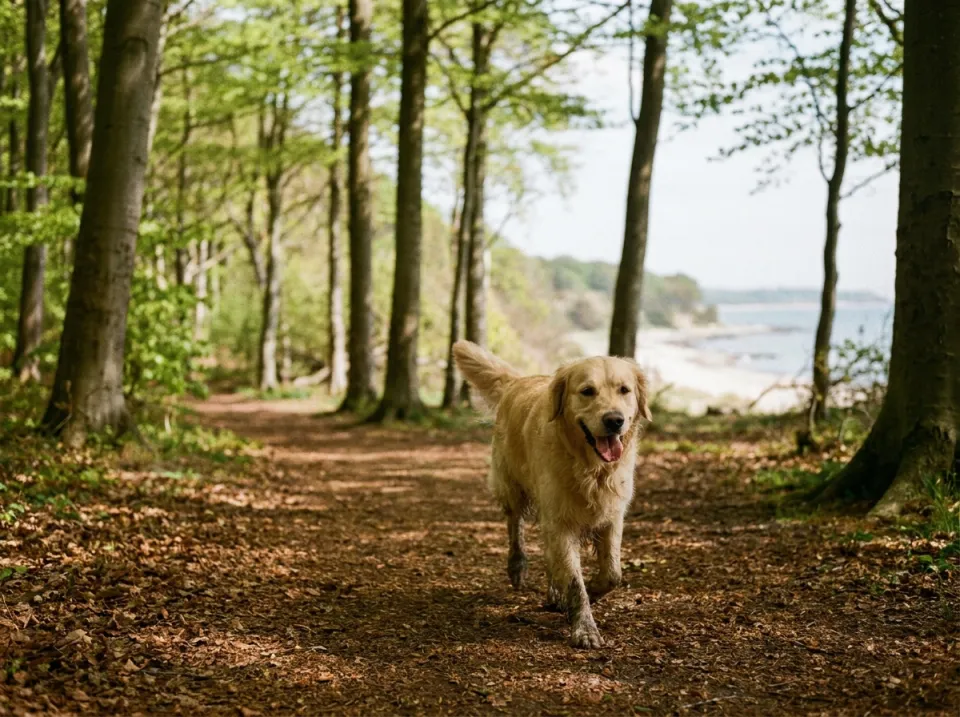
From April the beach leash rule (1 April to 30 September) is in force, and from May the ticks are out. In return you get long evenings, fewer people and cottage prices outside the summer peak. May and June are a good compromise if your dog is happy on the leash on the beach and you have a dog forest within reach for running.
Spring is also breeding time for birds, and some nature areas close parts of their land. In Thy National Park, all traffic east of the coast road in the Hanstholm reserve is banned from 1 April to 15 July.
Summer: warm, busy, leash on
July and August are the warmest months, both around 16.9 °C on average, with warmer days in between. They are also the busiest, with Danish and German school holidays overlapping. Your dog stays on the leash on every beach, and some beaches may not allow dogs at all.
- Walk early and late, when sand and asphalt are cool.
- Lion's mane jellyfish (brandmand) are common in late summer. Keep your dog from sniffing or eating jellyfish washed up on the beach.
- Tick-borne TBE risk is highest July to September. In Denmark TBE occurs on Bornholm and in a defined area of North Zealand (Tisvilde Hegn).
- Never leave your dog in a parked car on a warm day.
-
 Dog Beaches Denmark
Free for iPhone and Android: for each beach, whether your dog may run free today, must be on a leash or may not come, plus dog forests nearby.


Autumn: the beaches open up
From 1 October dogs may run off-leash on many Danish beaches. Not on all of them: municipalities can ban dogs on certain beaches, and dogs must always be on a leash where livestock graze. Read the signs at the beach entrance.
September is often mild and quiet, but it is still a leash month on the beach. October brings the off-leash season, and a busy week when Danish schools are off in week 42. Ticks remain active until around October, so keep checking.
Winter: empty coast, short days
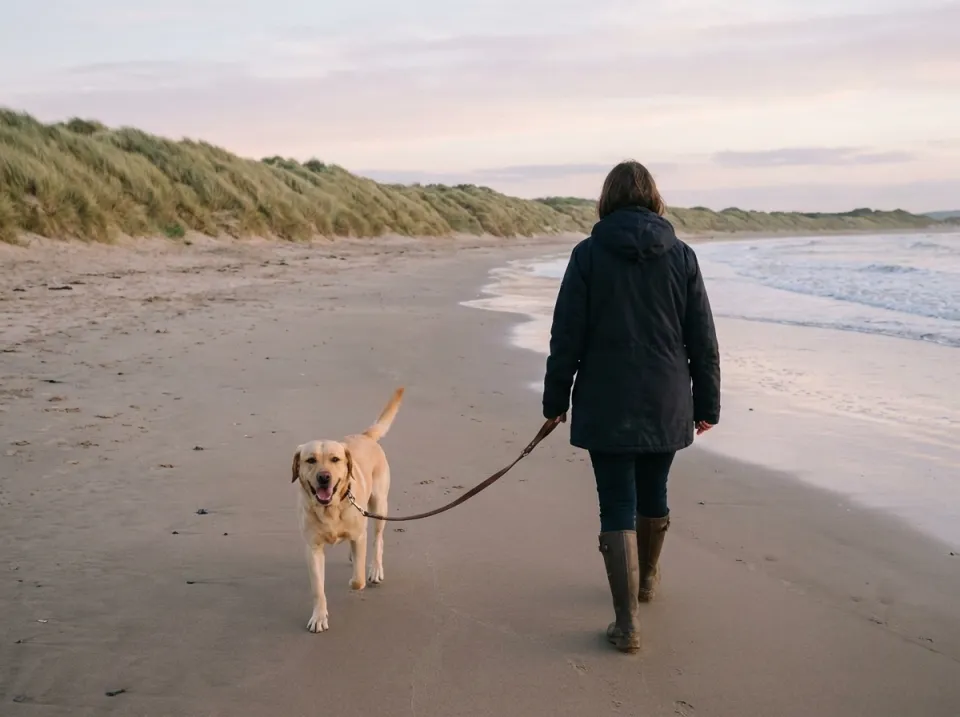
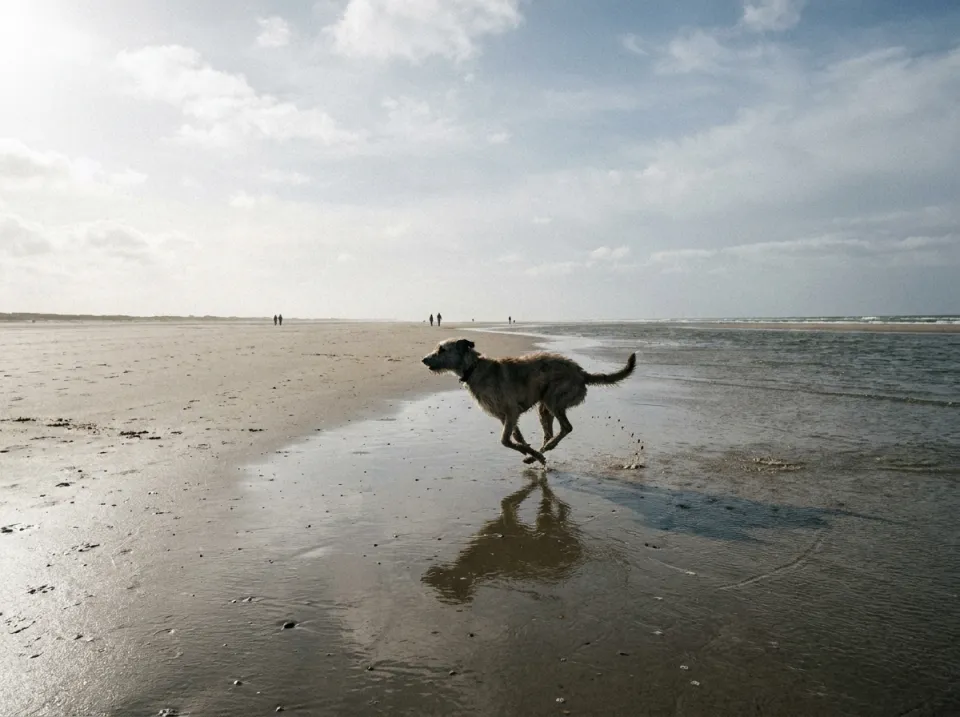
From November to March you will have long stretches of beach almost to yourselves, with off-leash running allowed on many of them. The trade-off is short days, wind and cold: January averages around 1.6 °C. A cottage with a wood burner, a towel by the door and a dog coat make winter a calm option for dogs that love space. Expect a busier week during the Danish winter holiday in week 7 or 8.
Sources
- Naturbeskyttelsesloven § 22 (beach rule)
- Naturstyrelsen: dogs on a leash
- Statens Serum Institut: Lyme disease and ticks
- Danish Ministry of Children and Education: school holidays
- VisitDenmark: Hanstholm nature reserve
Information checked: October 2026